Bike Rack Installation: Secure Your Ride with All Pro Assemble
In today’s world, cycling is not just a mode of transportation; it’s a lifestyle choice that promotes health, sustainability, and convenience. As more people embrace cycling, the need for secure and accessible bike storage solutions has never been greater. At All Pro Assemble, we specialize in professional bike rack installation services that cater to residential and commercial needs. This article will explore the importance of bike rack installation, the types of racks available, and how All Pro Assemble can help you create a safe and organized space for your bicycles.
Why Professional Bike Rack Installation Matters
1. Safety and Security
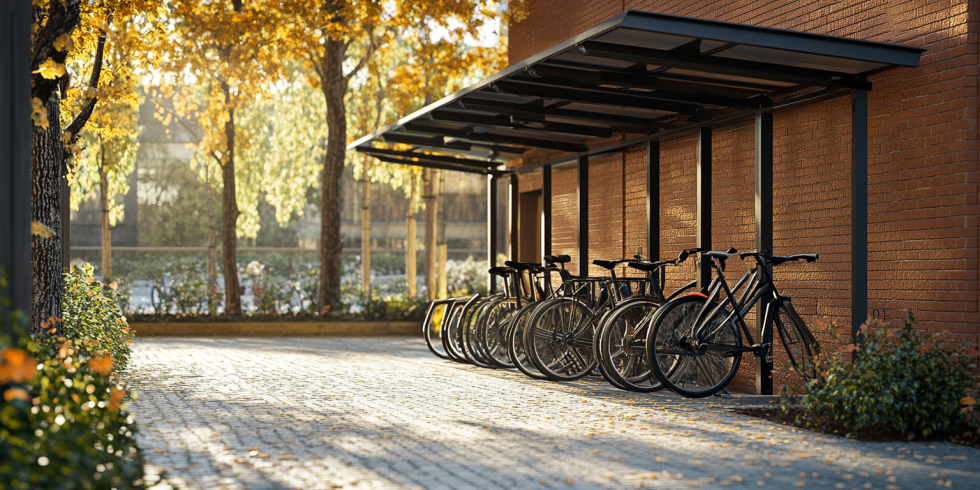
One of the primary reasons for installing bike racks is to ensure the safety and security of your bicycles. A well-installed bike rack minimizes the risk of theft and damage. Professional installers understand how to secure racks properly, using high-quality materials and techniques that withstand weather conditions and heavy use.
2. Space Optimization
Proper bike rack installation can help maximize available space, especially in urban areas where every square foot counts. Our team at All Pro Assemble assesses your location to determine the best layout for your bike racks, ensuring that they are both functional and space-efficient.
3. Compliance with Local Regulations
Many municipalities have specific regulations regarding bike parking facilities. Professional installers are familiar with these requirements and can ensure that your bike rack installation complies with local laws, including ADA (Americans with Disabilities Act) standards.
4. Expertise in Installation
Installing a bike rack may seem straightforward, but it requires knowledge of various mounting techniques and tools. Our experienced team at All Pro Assemble has the expertise to install different types of racks safely and efficiently, ensuring that they are stable and secure. During the installation process, it is crucial to navigate around bolt heads on the trailer’s frame to ensure a proper and sturdy mount. Additionally, securely attaching racks to the rear of bicycles and considering rear mounting configurations can affect load capacity and ease of use.
Choosing the Right Bike Rack
Choosing the right bike rack can be a daunting task, especially with the numerous options available in the market. To ensure you select the perfect bike rack for your needs, consider the following factors:
- Vehicle Type: The type of vehicle you have plays a crucial role in determining the right bike rack. Some racks are specifically designed for SUVs, trucks, or sedans. Ensuring compatibility with your vehicle will provide a secure and stable mount.
- Bike Type: Think about the type of bike you own. Whether it’s a road bike, mountain bike, or kids’ bike, different racks cater to different bike frames and wheel sizes. Make sure the rack you choose can accommodate your specific bike type.
- Number of Bikes: Determine how many bikes you need to transport. Some bike racks can hold up to four bikes, while others are designed for a single bike. Choose a rack that meets your transportation needs without compromising on stability.
- Security: Consider the level of security you need. Some bike racks come with built-in locking mechanisms to secure your bikes, while others may require additional locks. Ensuring your bikes are secure during transport is paramount. A transport rack with solid build quality and stability, along with effective locking mechanisms, is essential for safe bike transportation.
- Ease of Use: Think about how easy you want the bike rack to be to use. Some racks are designed for quick installation and removal, making them convenient for frequent use. Others may require more effort but offer additional stability and security.
By considering these factors, you can choose a bike rack that meets your specific needs and provides a safe and secure way to transport your bikes.
Pre-Installation Checklist
Before installing your bike rack, make sure to check the following:
- Vehicle Compatibility: Ensure that the bike rack is compatible with your vehicle’s make and model. This will prevent any issues during installation and ensure a secure fit.
- Bike Compatibility: Verify that the bike rack can accommodate your bike’s type and size. This includes checking the frame and wheel holder compatibility.
- Mounting System: Check that the bike rack’s mounting system is compatible with your vehicle’s hitch or roof rack. This is crucial for a secure and stable installation.
- Tools and Hardware: Ensure that you have all the necessary tools and hardware required for installation. Having everything on hand will make the process smoother and more efficient.
- Instructions: Read and understand the installation instructions provided with the bike rack. Familiarizing yourself with the steps beforehand can prevent mistakes and save time.
By completing this pre-installation checklist, you can ensure a smooth and successful installation process.
Types of Bike Racks We Install
At All Pro Assemble, we offer a variety of bike rack options to meet your specific needs:
- U-Lock Racks: These are simple yet effective racks designed to accommodate U-locks, providing a secure way to lock bikes.
- Vertical Racks: Ideal for spaces with limited floor area, vertical racks allow bikes to be stored upright. These racks also enable users to leave their wheels on the bike for easier setup and access.
- Two-Tier Racks: Perfect for high-density areas, these racks maximize space by allowing two bikes to be parked in the same footprint.
- Wall-Mounted Racks: These racks save floor space by allowing bikes to be hung on walls.
- Custom Racks: We can create custom solutions tailored to your specific requirements or branding needs.
All Pro Assemble’s offerings are known for their solid build quality, easy assembly, and secure capability to hold multiple bikes, making them a great rack option for various needs.
Bike Rack Configuration Options

When it comes to bike racks, versatility is key. Different configurations can accommodate various types of bikes and vehicles, ensuring a perfect fit for your specific needs. Here are some common configuration options:
- Single Bike Configuration: This is the most straightforward setup, designed to hold a single bike securely. It’s ideal for solo riders who need a reliable way to transport their bike without any hassle.
- Dual Bike Configuration: Perfect for families or couples who enjoy riding together, this setup allows you to transport two bikes simultaneously. It ensures both bikes are securely mounted and ready for your next adventure.
- Tandem Bike Configuration: Tandem bikes require a longer wheelbase and a more stable platform. This configuration is specifically designed to accommodate these unique bikes, providing a secure and stable transport solution.
- Kids Bike Configuration: Kids bikes often have smaller wheelbases and require a more compact design. This configuration ensures that even the smallest bikes are securely held, making family outings a breeze.
- Fat Tire Bike Configuration: Fat tire bikes need a wider wheelbase and a stable platform due to their unique design. This configuration caters to those requirements, ensuring your fat tire bike is securely transported without any issues.
By choosing the right configuration, you can ensure that your bike rack meets your specific needs, providing a secure and convenient way to transport your bikes.
The All Pro Assemble Installation Process
Our bike rack installation process is designed to be efficient and hassle-free:
Step 1: Consultation
We begin with a thorough consultation to understand your needs and assess the installation site. This step helps us recommend the best type of bike rack for your space.
Step 2: Site Preparation
Before installation, we prepare the site by ensuring it is clean and free from obstacles. Our team also checks for any underground utilities to avoid damage during installation.
Step 3: Installation
Using high-quality tools and materials, our professionals install the bike racks according to manufacturer specifications. We ensure that each rack is securely anchored to prevent tipping or movement. This secures the bike rack firmly, providing stability and preventing any unwanted movement.
Step 4: Final Inspection
After installation, we conduct a final inspection to ensure everything is secure and meets our quality standards. We also provide guidance on how to use the racks effectively.
Final Check and Testing

After installing your bike rack, perform a final check and testing to ensure everything is secure and functioning properly:
- Tighten All Bolts and Screws: Double-check that all bolts and screws are tightened securely to prevent any loose parts. This is essential for the safety and stability of the bike rack.
- Check the Bike Rack’s Level: Ensure that the bike rack is level and securely attached to the vehicle. An uneven rack can cause instability and potential damage to your bikes.
- Test the Bike Rack’s Stability: Test the bike rack’s stability by gently rocking it back and forth. This will help identify any loose connections or potential issues.
- Check for Any Obstructions: Verify that the bike rack does not obstruct any vehicle features, such as the rearview mirror or license plate. This ensures safe driving and compliance with local regulations.
- Test the Bike Rack with a Bike: Finally, test the bike rack with a bike to ensure that it is securely held in place and does not shift during transport. This final step confirms that your bike is safe and ready for the road.
By performing this final check and testing, you can ensure that your bike rack is installed correctly and ready for use.
Maintenance and Repair
Regular maintenance and repair are crucial to ensure the longevity and safety of your bike rack. Here are some essential tips to keep your bike rack in top condition:
- Cleaning: Regularly clean your bike rack to remove dirt, dust, and debris. Use a soft cloth and mild soap to avoid damaging the finish. This simple step can prevent buildup that might affect the rack’s performance.
- Lubrication: Keep the moving parts of your bike rack, such as hinges and bolts, well-lubricated. This ensures smooth operation and prevents rust and corrosion from developing over time.
- Tightening: Periodically check and tighten all bolts and screws. This is essential to ensure that the bike rack remains securely attached to your vehicle, providing a stable and safe transport solution.
- Inspection: Regularly inspect your bike rack for signs of wear and tear, such as cracks, dents, or rust. If you notice any damage, replace the affected parts immediately to maintain the rack’s integrity and safety.
- Storage: When not in use, store your bike rack in a dry, secure location. This prevents damage from the elements and reduces the risk of theft, ensuring your bike rack is always ready for your next ride.
By following these maintenance tips, you can extend the life of your bike rack and ensure it remains a reliable and secure solution for transporting your bikes.
Troubleshooting Common Issues
Even the best bike racks can encounter issues from time to time. Here are some common problems and troubleshooting tips to help you resolve them:
- Loose Bolts: If you notice that the bolts are loose, tighten them immediately. Loose bolts can compromise the stability of the bike rack, making it unsafe for transport.
- Rust or Corrosion: If you find rust or corrosion on your bike rack, clean the affected area with a wire brush and apply a rust-inhibiting coating. This will prevent further damage and extend the life of your rack.
- Difficulty Mounting: If you’re having trouble mounting the bike rack, check the mounting system to ensure it is properly aligned. Refer to the user manual for specific instructions or contact the manufacturer for assistance.
- Bike Not Securing Properly: If your bike isn’t securing properly, check the wheel holder and adjust it as needed. Ensuring a snug fit is crucial for safe transport. If adjustments don’t help, consult the user manual or reach out to the manufacturer.
- Noise or Vibration: If the bike rack is making noise or vibrating while driving, inspect the mounting system to ensure everything is properly tightened. Loose components can cause instability and noise, so make sure all connections are secure.
By addressing these common issues promptly, you can ensure that your bike rack remains a safe and reliable solution for transporting your bikes.
Benefits of Choosing All Pro Assemble
1. Experienced Professionals
Our team consists of trained professionals with extensive experience in bike rack installation. We stay updated on industry best practices to provide top-notch service.
2. Quality Assurance
At All Pro Assemble, we prioritize quality in every project. We use durable materials that withstand wear and tear while ensuring safety for all users.
3. Customer Satisfaction Guarantee
We are committed to customer satisfaction. Our team communicates openly throughout the process to ensure your expectations are met or exceeded.
4. Competitive Pricing
We offer affordable pricing for our bike rack installation services without compromising quality. Our transparent pricing model means no hidden fees or surprises.
Conclusion
Investing in professional bike rack installation from All Pro Assemble ensures that you create a safe, organized, and accessible space for cyclists in your community or home. Our expertise in installation, commitment to quality, and customer-centric approach make us the ideal choice for all your bike storage needs.
For more information about our bike rack installation services or to schedule a consultation, contact All Pro Assemble today! Let us help you promote cycling as a convenient and sustainable transportation option while keeping bikes safe and secure.
Advertisement