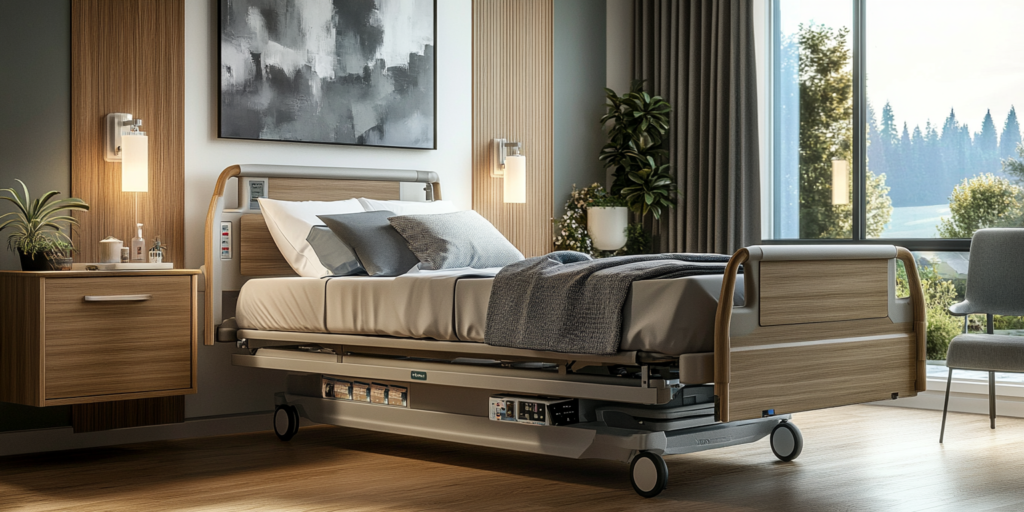
Hospital Furniture Assembly: Ensuring Patient Comfort and Care with All Pro Assemble
In today’s healthcare environment, the importance of properly assembled hospital furniture cannot be overstated. From patient beds to waiting room chairs, every piece of furniture plays a vital role in enhancing patient comfort and facilitating efficient care. At All Pro Assemble, we specialize in hospital furniture assembly, ensuring that medical facilities are equipped to provide the highest quality of service. This article will explore the significance of professional hospital furniture assembly, the types of furniture involved, and the benefits of choosing All Pro Assemble for your healthcare needs.
The Importance of Professional Hospital Furniture Assembly

1. Enhanced Patient Comfort
Comfortable hospital furniture is essential for patient recovery. Ergonomically designed beds, chairs, and stretchers support patients’ physical well-being and help reduce stress levels. Proper assembly ensures that these pieces function as intended, providing optimal support and comfort during a patient’s stay in the hospital.
2. Safety and Compliance
Hospitals must adhere to strict safety regulations. Professional assemblers are trained to understand these requirements and ensure that all furniture is assembled correctly to minimize risks. This includes securing beds and equipment properly to prevent accidents that could harm patients or staff.
3. Efficient Workflow
Properly assembled furniture contributes to a more efficient workflow within healthcare facilities. When furniture is set up correctly, it allows healthcare professionals to move freely and access necessary equipment without obstruction. This efficiency can significantly impact the quality of patient care delivered.
4. Time Savings
Hospital staff often have demanding schedules, making it crucial to minimize disruptions during furniture assembly. All Pro Assemble works efficiently, coordinating with hospital staff to schedule installations at convenient times, thus ensuring that patient care is not affected during the process.
Types of Hospital Furniture We Assemble
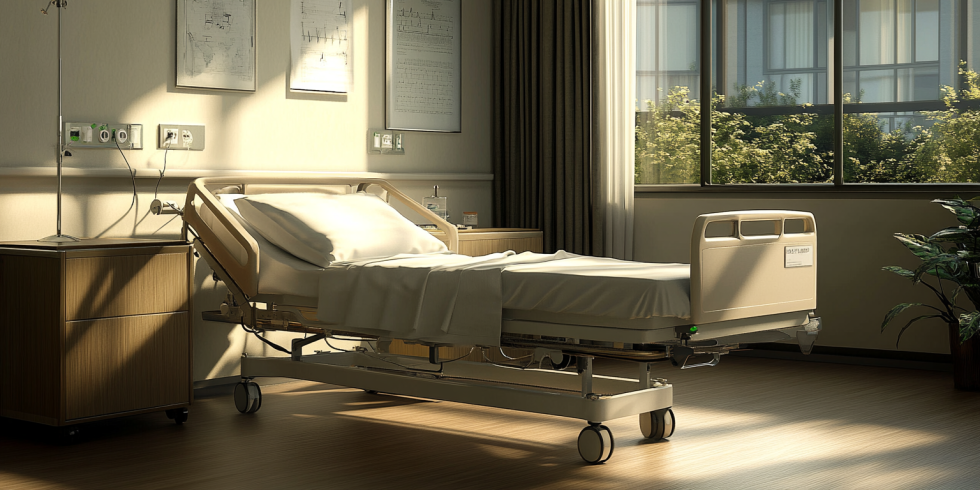
At All Pro Assemble, we provide comprehensive assembly services for various types of hospital furniture, including:
– Patient Room Furniture: Medical beds, bedside tables, recliners, and storage units designed for patient comfort.
– Examination Room Furniture: Examination tables, stools, and cabinets used by healthcare professionals during consultations.
– Waiting Room Furniture: Comfortable seating arrangements that cater to visitors and patients’ families.
– Lounge Furniture: Sofas, chairs, and tables designed for relaxation areas for staff and visitors.
– Durable Medical Equipment: Specialty beds, wheelchairs, commode chairs, and other essential medical furnishings.
The All Pro Assemble Advantage
1. Experienced Professionals
Our team consists of skilled professionals who specialize in hospital furniture assembly. We understand the unique requirements of healthcare environments and ensure that every project is handled with expertise.
2. Flexible Scheduling
We offer flexible scheduling options tailored to the needs of hospitals and medical facilities. Our services are available 24/7, including same-day installations when necessary.
3. Comprehensive Service
From initial consultation to final inspection, All Pro Assemble provides a complete service package. We handle all aspects of furniture assembly to ensure everything is set up correctly and ready for use.
4. Commitment to Quality
Quality is our top priority at All Pro Assemble. We adhere to the highest standards in our work to ensure that all furniture is assembled safely and efficiently.
Ensuring a Smooth Assembly Process
To guarantee a seamless experience when assembling hospital furniture, consider these tips:
– Plan Ahead: Schedule assembly services well in advance to avoid delays.
– Communicate Needs: Clearly outline your specific requirements during the consultation phase.
– Prepare the Space: Ensure that the area is clear and ready for assembly work.
– Inspect After Assembly: After completion, inspect all furniture to ensure it meets your expectations and functions correctly.
Introduction to Hospital Furniture Assembly

Hospital furniture assembly is a crucial aspect of setting up a healthcare facility, whether it’s a hospital, nursing home, or home care environment. Proper assembly of hospital furniture, including hospital beds, chairs, and other medical equipment, is essential to ensure patient safety, comfort, and effective care. In this section, we will discuss the importance of hospital furniture assembly and provide guidance on how to assemble hospital furniture correctly. Additionally, proper assembly plays a significant role in infection control, helping to maintain a sterile environment.
In the dynamic world of healthcare, the assembly of hospital furniture is a foundational step in creating a functional and safe environment. Whether it’s a bustling hospital, a serene nursing home, or a personalized home care setting, the proper assembly of hospital beds, chairs, and other medical equipment is paramount. This meticulous process ensures that each piece of furniture not only meets the rigorous standards of patient safety and comfort but also supports the effective delivery of care. By focusing on the correct assembly of these essential items, healthcare facilities can create spaces that promote healing and well-being.
Types of Hospital Beds
Hospital beds come in various types, each designed to meet specific patient needs and healthcare provider requirements. The main types of hospital beds include:
- Manual Hospital Beds: These beds are the least expensive option and require manual adjustments via a hand crank. They are ideal for settings where budget constraints are a primary concern, and they offer basic functionality without the need for electrical components.
- Semi-Electric Hospital Beds: These beds combine manual and electric adjustments, with the head and foot sections typically adjusted electrically, while the height is adjusted with a manual crank. This hybrid design provides a balance between cost and convenience, making it a popular choice in many healthcare facilities.
- Full-Electric Hospital Beds: These beds electrically adjust the height, head, and foot positions with the press of a button, providing maximum comfort and safety for patients and caregivers. Full-electric hospital beds are the epitome of convenience and functionality, offering seamless adjustments that cater to the diverse needs of patients and healthcare providers alike.
Each type of hospital bed is designed to cater to different scenarios, ensuring that patients receive the appropriate level of care and comfort based on their specific needs. The right choice of bed can also play a crucial role in preventing pressure ulcers.
Hospital Bed Safety Features
Hospital bed safety features are designed to prevent accidents, injuries, and fatalities in healthcare environments. Some essential safety features to look for in a hospital bed include:
- Side Rails: These rails prevent patients from falling out of bed and can be adjusted to different heights. They are a critical component in ensuring patient safety, especially for those who are at risk of falling.
- Bed Alarms: These alarms alert caregivers when a patient is trying to get out of bed or has fallen. Bed alarms are an essential tool for monitoring patient activity and preventing potential injuries.
- Non-Slip Mattresses: These mattresses prevent patients from slipping or falling out of bed. They provide an additional layer of safety, ensuring that patients remain securely positioned.
- Weight Capacity: Hospital beds should have a weight capacity that meets the needs of bariatric patients. Ensuring that the bed can support the patient’s weight is crucial for both safety and comfort.
These safety features are integral to creating a secure and supportive environment for patients, helping to minimize risks and enhance overall care quality. Additionally, patient monitoring is crucial to ensure that any changes in the patient’s condition are promptly addressed.
Hospital Bed Maintenance and Repair
Regular maintenance and repair of hospital beds are crucial to ensure patient safety and comfort. Some tips for maintaining and repairing hospital beds include:
- Following Manufacturer’s Instructions: Adhering to the manufacturer’s guidelines for assembly, maintenance, and repair is essential. These instructions provide specific details on how to properly care for the bed, ensuring its longevity and functionality.
- Performing Preventive Maintenance: Regularly lubricating moving parts and checking for worn-out components can prevent potential issues. Preventive maintenance helps to identify and address problems before they escalate, ensuring the bed remains in optimal condition.
- Addressing Issues Promptly: Any issues or problems should be addressed immediately to prevent accidents or injuries. Timely repairs are crucial in maintaining a safe and comfortable environment for patients.
By following these maintenance and repair tips, healthcare facilities can ensure that their hospital beds remain safe, functional, and comfortable for patients. Additionally, having access to reliable technical support can be invaluable for addressing complex repair needs and ensuring professional assistance when required.
Choosing the Right Hospital Bed
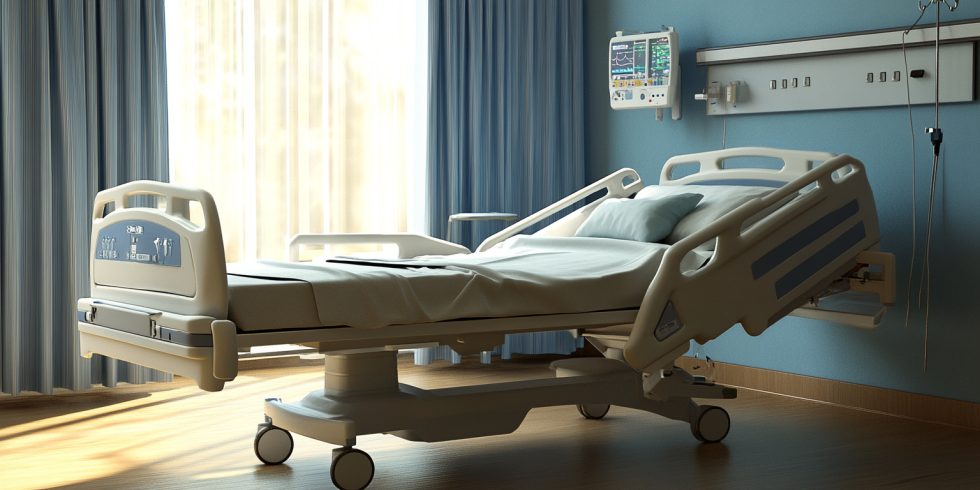
Choosing the right hospital bed for a healthcare facility or home care environment can be overwhelming, given the numerous options available. When selecting a hospital bed, consider the following factors:
- Patient Needs: Consider the patient’s mobility challenges, weight capacity, and comfort requirements. Understanding the specific needs of the patient is crucial in selecting a bed that provides the necessary support and functionality.
- Healthcare Provider Needs: Consider the caregiver’s needs, such as ease of use, safety features, and maintenance requirements. A bed that is easy to operate and maintain can significantly enhance the efficiency and effectiveness of care.
- Space Constraints: Consider the available space in the patient room or home care environment. Ensuring that the bed fits comfortably within the designated area is important for both functionality and accessibility.
Additionally, look for beds with adjustable features to accommodate various patient and caregiver needs.
By taking these factors into account, healthcare facilities can choose the right hospital bed that meets the needs of both patients and caregivers, ensuring a safe and comfortable environment.
Benefits of Professional Assembly
Professional assembly of hospital furniture, including hospital beds, can provide numerous benefits, including:
- Ensuring Patient Safety and Comfort: Professional assembly ensures that all components are correctly installed, reducing the risk of accidents and enhancing patient comfort.
- Reducing the Risk of Accidents and Injuries: Properly assembled furniture is less likely to malfunction, thereby minimizing the risk of injuries to patients and staff.
- Providing Clear Instructions and Guidance: Professional assemblers offer clear instructions and guidance on the use and maintenance of the furniture, ensuring that it remains in good condition.
- Meeting Healthcare Provider Needs and Requirements: Professional assembly services are tailored to meet the specific needs and requirements of healthcare providers, ensuring that the furniture supports efficient and effective care.
- Enhancing the Overall Quality of Patient Care: By ensuring that all furniture is correctly assembled and functional, professional assembly services contribute to a higher standard of patient care.
Choosing professional assembly services for hospital furniture ensures that healthcare facilities operate smoothly and safely, providing the best possible care for patients. Additionally, an ergonomic design is crucial for maximizing comfort and support in hospital settings.
Choosing the Right Hospital Bed
Temporary vs Permanent
- Consider the length of time the bed will be needed – a full-electric home hospital bed is best for long-term care, but more expensive.
- Manual and semi-electric beds are more affordable, but require more effort from caregivers.
- Assess the patient’s needs and mobility to determine the best type of bed. Adjustable features can significantly enhance comfort and ease of use.
Patient Needs and Mobility
Patient mobility plays a crucial role in selecting the right home hospital bed. A highly adjustable electric or semi-electric bed is ideal for those who are unsteady or at risk of falling. Consider the patient’s weight capacity and mobility challenges when choosing a bed. Choosing the right bed can also help in preventing pressure ulcers.
Types of Hospital Beds
Manual Hospital Beds
Manual hospital beds are the least expensive models, with fewer features than semi-electric or full-electric options. They require manual adjustment of the head and foot sections, which can be challenging for caregivers. Suitable for patients with limited mobility and no need for frequent position changes. These beds often incorporate an ergonomic design to ensure patient comfort and support.
Semi-Electric Hospital Beds
A semi-electric hospital bed is a good choice for someone who has good enough balance to not need to adjust the height of the bed. The head and foot sections are typically adjusted electrically, while the bed’s height is adjusted manually. Offers a balance between affordability and features. These beds often come with adjustable features to enhance user comfort and convenience.
Full Electric Hospital Bed
A full electric hospital bed electrically adjusts the height, head, and foot positions with the press of a button.
Benefits include fostering patient independence and safety features such as adjustable height and hi-lo.
Ideal for patients with limited mobility and those who require frequent position changes. These beds can also help in preventing pressure ulcers.
Specialty Beds
Low Bed
Low beds are ideal for people with a higher risk of falling because they reduce the distance between the bed and the floor.
Designed to prevent falls and injuries, with a lower height and safety features. These beds also facilitate patient monitoring, ensuring that healthcare providers can keep track of patient status effectively.
Bariatric Hospital Bed
Bariatric hospital beds can accommodate users weighing up to 1,000 pounds and feature heavy-duty construction and larger sizes.
Designed to meet the needs of bariatric patients, with a focus on safety and comfort. Access to reliable technical support is crucial for ensuring these beds remain in optimal condition.
Electric Hospital Bed Features
Adjustable Height and Hi Lo
The bed’s height can be adjusted to accommodate different patient needs, with a low range of 15” and a high range of 23”.
Adjustable height and hi-lo features provide safety and comfort for patients. The ergonomic design ensures optimal support and ease of use.
Cable-Free Connection
The Centrella Smart+ Bed offers a cable-free connection to nurse call, simplifying patient care and reducing the risk of missed connections.
Cable-free connection is a valuable feature for patient care, providing a safe and efficient way to communicate. This is especially important for patient monitoring, ensuring continuous and reliable tracking of patient status.
Patient Comfort and Care in Healthcare Facilities
Patient comfort and care are top priorities in healthcare facilities, with a focus on safety features and preventive maintenance. Infection control is also crucial in maintaining a sterile environment.
Healthcare providers must consider the needs of patients and caregivers when selecting hospital beds and furniture.
A well-designed hospital bed can improve patient outcomes and reduce the risk of complications.
Home Use and Assembly
Home Use
- A hospital bed at home can promote rest and healing, with features such as adjustable knee and head sections.
- Home use requires careful consideration of the patient’s needs and mobility, as well as the caregiver’s abilities. Access to technical support is crucial for ensuring the bed functions properly and for handling any necessary repairs.
Assembly Service
Optional assembly services simplify setting up a hospital bed at home, reducing anxiety and stress.
Clear instructions and support from healthcare professionals can ensure a smooth assembly process. Proper assembly is crucial for infection control, maintaining a sterile environment.
Conclusion
- Choosing the right hospital bed requires careful consideration of patient needs, mobility, and safety features.
- Healthcare providers and caregivers must prioritize patient comfort and care, with a focus on safety features and preventive maintenance.
- A well-designed hospital bed can improve patient outcomes and reduce the risk of complications, whether in a healthcare facility or at home.
Professional hospital furniture assembly is crucial for creating safe, comfortable environments that enhance patient care. By choosing All Pro Assemble for your hospital’s assembly needs, you can ensure that your facility operates efficiently while prioritizing patient comfort.
For more information about our hospital furniture assembly services or to schedule a consultation, contact All Pro Assemble today! Let us help you create a healing environment that supports both patients and healthcare providers.
Advertisement